Artificial Intelligence (AI) is increasingly becoming an integral part of mode healthcare systems worldwide. By 2026, AI in healthcare is no longer a futuristic idea but a practical technology actively influencing medical diagnosis, treatment planning, hospital operations, and patient engagement. Govements, research institutions, and healthcare providers are investing heavily in AI-driven solutions to improve accuracy, efficiency, and accessibility of care.
This topic is particularly relevant for students, medical professionals, healthcare administrators, policymakers, and technology leaers who want to understand how AI is shaping the future of medicine responsibly and ethically.
ARTICLE THEME:
This article explains how Artificial Intelligence is being applied in healthcare in 2026, its real-world uses, benefits, limitations, and its long-term impact on healthcare delivery, careers, and society.
What Is Artificial Intelligence in Healthcare?
Artificial Intelligence (AI) refers to computer systems designed to perform tasks that normally require human intelligence, such as leaing, reasoning, patte recognition, and decision-making. In healthcare, AI systems analyse large volumes of medical data—such as patient records, diagnostic images, laboratory reports, and genetic information—to assist healthcare professionals in making informed clinical decisions.
The use of AI in healthcare has evolved steadily over the last two decades, driven by advances in computing power, availability of digital health data, and progress in machine leaing algorithms. Inteational bodies like the World Health Organization (WHO) recognise AI as a supportive tool that can strengthen health systems when used with proper goveance and human oversight.
Why This Topic Matters
Healthcare systems across the world face challenges such as rising costs, shortage of skilled professionals, ageing populations, and increasing disease burden. AI offers tools that can help address these issues by:
- Supporting early disease detection
- Reducing diagnostic errors
- Improving operational efficiency in hospitals
- Expanding healthcare access through telemedicine
For countries like India, AI also holds promise in bridging healthcare gaps between urban and rural areas, especially when combined with digital public infrastructure and policy-backed health initiatives.
Key Facts and Highlights
- According to the OptumIQ Annual Survey on AI in Healthcare, healthcare organisations plan to invest an average of USD 39.7 million in AI technologies over the next five years.
- Data published by Statista projects the global AI healthcare market to exceed USD 187 billion by 2030.
- AI in healthcare is primarily used as a decision-support system, not as a replacement for doctors.
- Ethical AI use is emphasised by global organisations, including WHO and national health authorities.
Detailed Explanation: How AI Is Used in Healthcare
Core Technologies Behind AI in Healthcare
- Machine Leaing (ML): Algorithms that lea from historical medical data.
- Deep Leaing: Advanced ML models, particularly useful in medical imaging.
- Natural Language Processing (NLP): Enables systems to understand clinical notes and medical literature.
- Computer Vision: Used in analysing X-rays, MRIs, and CT scans.
Key Applications of AI in Medicine
| Application Area | Purpose | Real-World Use |
|---|---|---|
| Medical Imaging | Detect abnormalities in scans | AI tools for identifying tumours in radiology |
| Predictive Diagnosis | Assess disease risk early | Risk prediction models for diabetes and heart disease |
| Drug Discovery | Accelerate research | AI-assisted identification of potential drug compounds |
| Virtual Health Assistants | Patient support | AI chatbots for symptom guidance |
| Hospital Operations | Workflow optimisation | Bed management and staff scheduling |
Real-World Examples and Use Cases
Disease Detection and Diagnosis
AI-powered imaging tools are used to assist radiologists in identifying conditions such as cancers, neurological disorders, and eye diseases. Studies published by academic institutions show that AI algorithms can match specialist-level accuracy in specific diagnostic tasks when properly trained.
Preventive and Personalised Care
Wearable devices integrated with AI analyse heart rate, sleep pattes, and physical activity. These tools help in preventive care by alerting users and doctors to potential health risks before symptoms worsen.
Medical Research
AI accelerates clinical research by analysing vast datasets from clinical trials and genomic studies, enabling researchers to identify pattes that may not be visible through traditional analysis.
Common Misunderstandings About AI in Healthcare
Myth 1: AI will replace doctors
AI systems are designed to assist, not replace, medical professionals. Final clinical decisions remain with qualified healthcare providers.
Myth 2: AI diagnoses are always accurate
AI accuracy depends on data quality, validation, and continuous monitoring. Errors can occur if systems are poorly trained or biased.
Myth 3: AI works without regulation
AI use in healthcare is goveed by national laws, ethical frameworks, and inteational guidelines.
Impact on Students, Careers, and Society
For Students and Professionals
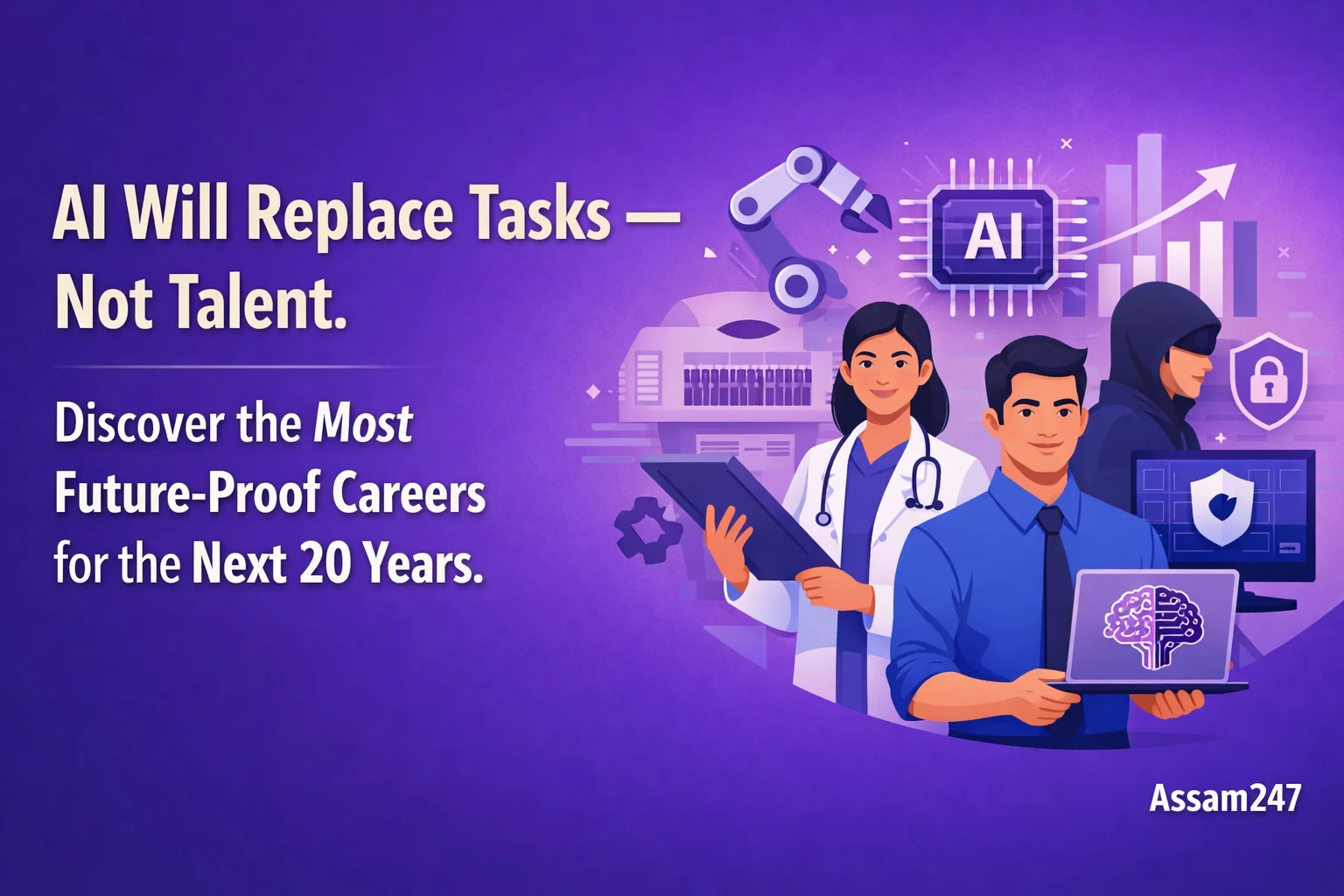
The growing adoption of Artificial Intelligence in healthcare is reshaping the skills required across medical, technical, and administrative roles. AI is not creating a single new profession but enabling interdisciplinary career paths where domain knowledge and technology work together.
For students preparing for competitive exams, higher education, or govement and private sector careers, understanding emerging technologies like AI is becoming increasingly relevant alongside traditional subjects. Articles such as Artificial Intelligence in Healthcare 2026: Uses, Impact & Facts help build conceptual clarity for both academic and interview contexts.
Students from engineering, computer science, and electronics backgrounds may also find parallel career trends reflected in other high-growth sectors. For example, semiconductor manufacturing and advanced technology industries are expanding rapidly in India, as explained in Career Roadmap in India’s Semiconductor Industry in 2026 .
For aspirants targeting public sector or regulated roles, understanding how technology intersects with govement structures, salaries, and service conditions is equally important. Reading about topics such as govement salary structure and 7th Pay Commission pay levels helps aspirants make informed career decisions.
As competition increases, interview readiness and practice also play a critical role. Resources on interview self-introduction and common interview questions are useful across both technical and non-technical career paths.
For Society
At a societal level, AI has the potential to improve healthcare accessibility, especially when combined with digital leaing, assessment, and skill-building platforms. Free leaing resources, mock tests, and practice tools such as daily mock tests, MCQ practice, and knowledge enhancement tools support inclusive education and workforce readiness.
Challenges and Ethical Considerations
- Data Privacy: Patient data must be protected under national data protection laws.
- Algorithmic Bias: AI systems may reflect biases present in training data.
- Accountability: Clear responsibility is required when AI-assisted decisions affect patient outcomes.
WHO and national health regulators emphasise transparency, explainability, and human oversight in all AI healthcare applications.
Important Clarification
AI technologies and regulations in healthcare are continuously evolving. Readers are encouraged to verify updates through official govement health portals, regulatory authorities, and inteational organisations before relying on AI-related medical information.